East African Mining News Unearthing Mining Opportunities in East Africa


Related Articles

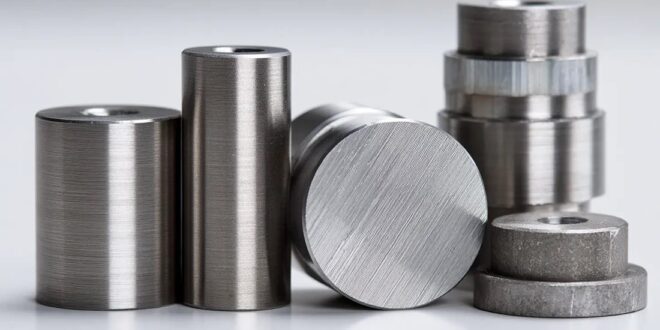
Kenya’s mining sector is facing a severe revenue vacuum after the country’s flagship titanium operation collapsed by nearly half in 2025, overshadowed by the exit of Base Titanium Ltd. from the mineral-rich Kwale County.
Data from the newly released Economic Survey 2026 highlights a stark structural shift in East Africa’s largest economy. While the average export price for titanium ore concentrates ticked up 3.9% to 76,105.9 shillings ($590) per tonne, the marginal price gains failed to cushion a brutal 49% plunge in overall titanium production. Total output for the critical minerals comprising ilmenite, rutile, and zircon tumbled to 101,000.5 tonnes in 2025, down from 198,469.5 tonnes the prior year, following the depletion of economically viable ore reserves.
The production crash wiped billions of shillings off Kenya’s balance sheet. The total value of titanium minerals plummeted to 7.8 billion shillings in 2025 from 17 billion shillings in 2024. This drop single-handedly dragged down the country’s overall mineral production value from 25.5 billion shillings to 20.3 billion shillings, highlighting Kenya’s heavy reliance on a single mining asset for its industrial export earnings.
The pain of the Kwale mine closure rippled through state coffers, with royalties paid by Base Titanium dropping 37.2% to 706 million shillings for the 2024/25 fiscal year. The resulting 418 million shilling deficit pressured Treasury collections. However, total mining royalties and licensing fees across the country managed a surprise 15% increase to 3.8 billion shillings, kept afloat by robust domestic demand for building and industrial commodities.
Cement minerals emerged as the state’s new fiscal anchor, with levy collections climbing to 1.52 billion shillings to become the sector’s largest single revenue contributor. Meanwhile, carbon dioxide royalties surged more than fivefold to 175.5 million shillings, and Magadi Soda anchored another 670.9 million shillings into government accounts.
Outside of the industrial infrastructure complex, soda ash proved to be the sector’s bright spot. Production rose 9.3% to 289,610.8 tonnes, while its market value nearly doubled to 3.97 billion shillings. Crushed refined soda similarly gained ground, climbing 32.7% in output to touch 697,768.8 tonnes, valued at 1.67 billion shillings. Gold, by contrast, remained subdued, dropping to 329.1 kilograms from 358.5 kilograms in 2024.
The sudden unwind of the nation’s titanium engine piles pressure on President William Ruto’s administration to aggressively fast-track licensing and exploration. Without swift regulatory approvals for untapped projects in gold, copper, rare earths, and industrial minerals, Kenya risks a prolonged stagnation in its mineral export strategy.