East African Mining News Unearthing Mining Opportunities in East Africa


Related Articles
New gold trading centres are expected to connect artisanal and small-scale miners in Malawi to formal markets, as efforts to curb smuggling, strengthen foreign exchange earnings and retain more value from the country’s mineral resources gather momentum.
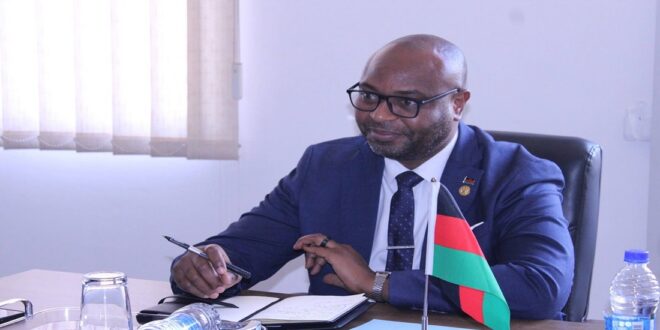
Mining Minister Thoko Tembo said the Malawi Mining Investment Company (MAMICO) had made encouraging progress in preparing the facilities, following a tour of its gold trading centre in Lilongwe. The initiative is intended to expand formal gold purchasing, complementing the existing market provided by the Export Development Fund (EDF), while improving the government’s ability to capture value from gold production.
Tembo expressed optimism that MAMICO would soon begin purchasing gold directly from artisanal and small-scale miners, potentially reducing incentives to sell through informal channels. The scale of the opportunity could be significant. MAMICO chief executive Professor Leonard Kalindekafe said a recent survey had identified more than 100 gold mining sites across 26 districts, excluding Likoma and Mchinji.
Kalindekafe also claimed that Malawi loses more than US$700 million annually through gold smuggling. He said developing the sector more effectively could contribute over 5% of gross domestic product (GDP) annually and strengthen foreign exchange reserves. These estimates underline the potential economic stakes, although the figures would require independent verification before being treated as confirmed national losses or projected contributions.
MAMICO is establishing trading centres alongside feasibility studies and pilot mining and processing initiatives aimed at improving the country’s participation in the gold value chain. Accessible purchasing facilities could help connect small-scale producers with formal buyers, improve traceability and encourage more gold to enter regulated trading channels. However, the effectiveness of the initiative will depend on whether miners receive competitive prices, transactions are transparent and the centres can offer a reliable alternative to informal buyers. Strong oversight and effective enforcement will also be essential to limit illicit trade.
Formalising gold trading offers a potential route to retaining more mineral revenue within the domestic economy at a time when foreign exchange remains a critical policy concern. The immediate task is to translate the investment in trading infrastructure into a functioning market that benefits miners while delivering measurable gains in gold sales through official channels.