East African Mining News Unearthing Mining Opportunities in East Africa


Related Articles
Southern Africa’s uranium sector is regaining strategic relevance as global demand for nuclear energy accelerates, driven by fossil fuel supply disruptions and the urgent push for low-carbon power alternatives. Once a niche commodity, uranium, identified by the symbol U and atomic number 92, is again drawing serious attention as countries reassess energy security and long-term electricity needs in a rapidly shifting global landscape.
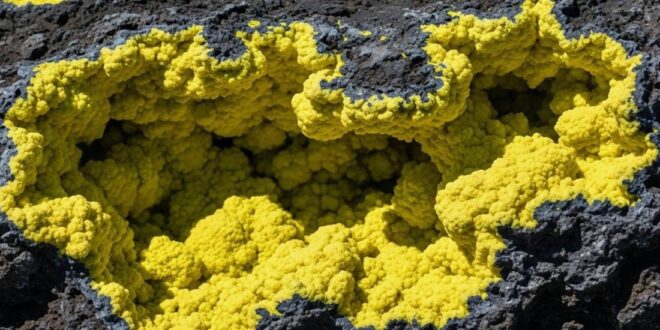
At the centre of this renewed momentum is the growing appetite for triuranium octoxide (U3O8), commonly known as yellowcake, the key input for nuclear fuel. As governments seek stable and cleaner energy sources, nuclear power is re-emerging as a viable solution, particularly in advanced economies facing surging electricity demand from artificial intelligence infrastructure and hyperscale data centres. According to McKinsey & Company, the United States alone may require up to 300 gigawatts of new nuclear capacity by 2050, a significant leap from its current 97 gigawatts.
This global demand outlook is exposing critical supply imbalances. The United States, despite being the world’s largest consumer of uranium, sources less than 1% of its needs domestically, relying heavily on imports from countries such as Kazakhstan, Canada and Australia. This dependency is reviving interest in diversified supply chains, positioning uranium-rich regions like Southern Africa as increasingly important players in the global energy equation.
Within the region, Namibia stands out as a cornerstone of uranium production. Ranked as the world’s third-largest producer after Kazakhstan and Canada, Namibia contributes roughly 12% of global uranium supply, underlining its strategic importance. The country’s uranium sector continues to expand, supported by established operations and ongoing project developments.
A key driver of this growth is Paladin Energy, which recently reported a gross profit of $34.4 million for the nine months ending March 31. The company’s flagship Langer Heinrich Mine is steadily ramping up production, delivering 1.29 million pounds of U3O8 in the most recent quarter at an average recovery rate of 92%. With ramp-up expected to be completed by the end of the 2026 financial year, the mine is emerging as a critical contributor to global supply at a time of tightening markets.
Other major Namibian operations continue to reinforce the country’s position. The Rössing Uranium Mine, one of the longest-running uranium mines globally, is marking 50 years of operation and has extended its lifespan to at least 2036. Meanwhile, the Husab Uranium Mine remains one of the largest uranium mines in the world, further anchoring Namibia’s production capacity. Beyond these flagship assets, exploration across geological zones such as the Damara Belt, Engo Valley and Namaqua Belt signals additional long-term potential.
Despite these developments, structural complexities remain within the uranium market. Unlike other major commodities, uranium is not widely traded on open exchanges. Instead, pricing is largely determined through negotiated contracts based on industry-referenced spot and term prices, often incorporating fixed or market-linked mechanisms with defined price floors and ceilings. This structure can limit transparency while insulating producers and buyers from short-term volatility.
In South Africa, uranium production remains largely a by-product of gold mining and notably, the country’s Koeberg Nuclear Power Station relies on imported uranium rather than domestic supply. This reflects a broader regional paradox, while Southern Africa holds significant uranium resources, value chain integration and domestic utilisation remain underdeveloped.
Historically, energy crises have catalysed major shifts in nuclear adoption. Following the 1973 oil crisis, France undertook a sweeping transition towards nuclear energy to secure long-term energy independence. Today’s market dynamics suggest a similar inflection point may be unfolding globally, albeit under different technological and geopolitical conditions.
As the world rebalances its energy mix, Southern Africa’s uranium sector is increasingly positioned as both a strategic supplier and a potential beneficiary of rising demand. The challenge, however, will lie in translating resource wealth into sustained economic value through investment, policy alignment and deeper participation in the nuclear value chain.