East African Mining News Unearthing Mining Opportunities in East Africa


Related Articles
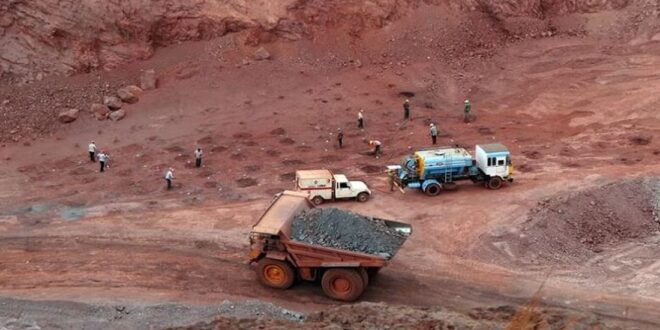
The narrative of Kenya’s mining sector is undergoing a fundamental transformation as the government shifts its strategic focus from the mere extraction of raw materials to a robust model of local value addition. Opening the 2026 Mining Investment Conference in Nairobi, President William Ruto articulated a vision for integrated industrial value chains that aim to retain a greater share of mineral wealth within the continent’s borders. Central to this agenda is the nearly completed iron ore pelletisation plant in Taita Taveta, which serves as a flagship project for this new era of domestic refining and manufacturing. For a country that has historically seen the true economic potential of its resources realised in overseas refineries, this pivot represents a critical step toward industrial autonomy and the creation of high-skilled jobs.
Kenya’s mineral landscape is exceptionally diverse, spanning gold in the west and titanium along the coast to significant deposits of niobium, gemstones, copper, and manganese. However, the President noted that the traditional model of exporting these ores in their raw form has reinforced a cycle of dependence on imported finished goods. By establishing local processing hubs, Kenya aims to reverse this trend, ensuring that the global demand for its resources translates into tangible domestic growth. This strategy aligns with a broader continental movement where African governments are increasingly demanding that refining and manufacturing take place at the source, rather than allowing the most lucrative stages of the value chain to be offshored.
This industrial leap, however, is not without its complexities, particularly regarding environmental and social sustainability. The transition to energy-intensive processing raises significant questions about carbon emissions, water management, and the protection of fragile ecosystems. Cabinet Secretary for Mining Ali Hassan Joho highlighted that the government is addressing these concerns through extensive geological surveys that limit the environmental disruption often caused by speculative exploration. Furthermore, while infrastructure projects like rail and road networks are being expanded to support the mining corridors, the state is under pressure to ensure these developments do not lead to habitat loss or exacerbate the vulnerabilities of regions already impacted by climate change.
As the global energy transition accelerates, the demand for critical minerals essential for renewable technologies is projected to skyrocket, placing Kenya and its neighbours at the heart of the world’s green economy. Principal Secretary Harry Kimutai emphasised that the mining sector must serve as a catalyst for inclusive development rather than just a source of state revenue. By aligning infrastructure, regulatory frameworks, and industrial policy, Kenya is positioning itself as a competitive and responsible destination for international capital, provided that the extraction is managed with the foresight required to protect the nation’s natural heritage.
Reflecting on the urgency of this structural shift for the continent’s economic future, President William Ruto stated: “We will process our minerals here on the continent, we will refine them here, we will manufacture them here. Much of the value embedded in Kenya’s minerals was realised outside the country, where refining, processing and manufacturing took place. Locally, this translated into limited industrial growth, fewer skilled jobs and relatively low returns compared with the global earnings generated from the same resources.”